.png)
.png)
.png)
Energy Meter modbus RS485 RTU with external CT
Energy consumption monitoring over modbus RTU RS485
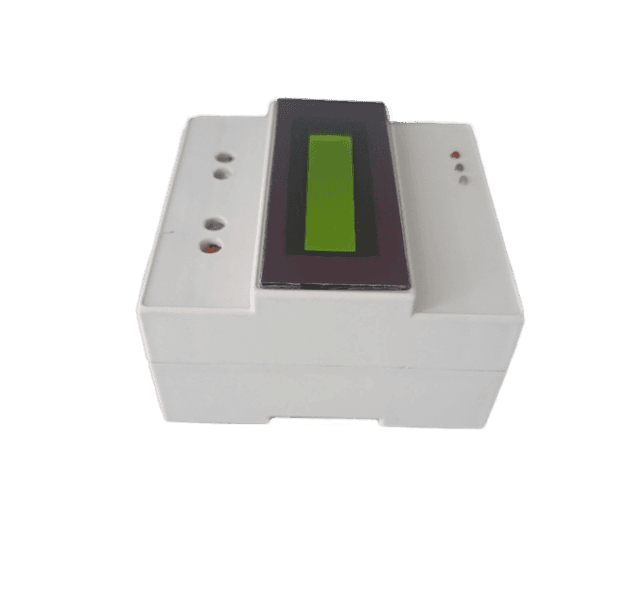
Energy Meter with External CT — Modbus RS485, Single and Three Phase
The SEMSPME is a Modbus RS485 RTU energy meter with an external current transformer. The external CT clamps around the live conductor without breaking the circuit — making it the right choice for high-current loads and retrofit installations where the existing wiring cannot be modified. Available in single phase and three phase.
External CT — High Current, Easy Retrofit
An external CT installs by clamping around the existing cable — no need to disconnect, cut, or re-terminate the live conductor. This makes the SEMSPME ideal for existing installations and for loads above what an internal CT can handle. Current rating depends on the CT selected; high-current variants are available for industrial and distribution applications.
Variant Selection Guide
Phase
- Single Phase (SP) — single-phase loads, distribution panels, individual machines
- Three Phase (TP) — three-phase industrial loads, motors, DG sets, transformers
Connectivity
- Modbus only — RS485 Modbus RTU; integrates with any existing SCADA, BMS, or Modbus master
- Modbus + WiFi — direct WiFi cloud push with RS485 output retained
- Modbus + WiFi + LoRa — full stack for campus or building-wide metering networks
Use Cases
- Industrial energy monitoring — machine-level and feeder-level consumption tracking on factory floors
- Distribution transformer monitoring — clamp CT on HT/LT panel feeders for zone-level visibility
- DG set and UPS metering — monitor backup power consumption without modifying the existing circuit
- Commercial building sub-metering — floor-level or tenant-level metering in large buildings
- Retrofit installations — add energy monitoring to existing panels without downtime or rewiring
Key Specifications
- CT type: External — clamp-on, no circuit interruption needed
- Phase: Single phase (SP) and three phase (TP)
- Output protocol: Modbus RS485 RTU (all variants)
- Connectivity options: Modbus only | Modbus + WiFi | Modbus + WiFi + LoRa
- Readings: kWh, voltage, current, power factor, frequency
Hardware Specifications
- Communication
- No Radio
- Battery
- No battery
- SKU
- SEMSPME
 No Radio
Prepaid - energy meter modbus RS485 RTU with internal CT 25A
Prepaid - energy meter modbus RS485 RTU with internal CT 25A
View Details →.png)
Prepaid energy meter modbus RS485 RTU with external CT
Energy consumption monitoring over modbus RTU RS485
View Details →
No Radio
Prepaid - energy meter modbus RS485 RTU with internal CT 25A
Prepaid - energy meter modbus RS485 RTU with internal CT 25A
View Details →